Lessons at ISR Castroville

What Swim Lessons are Offered
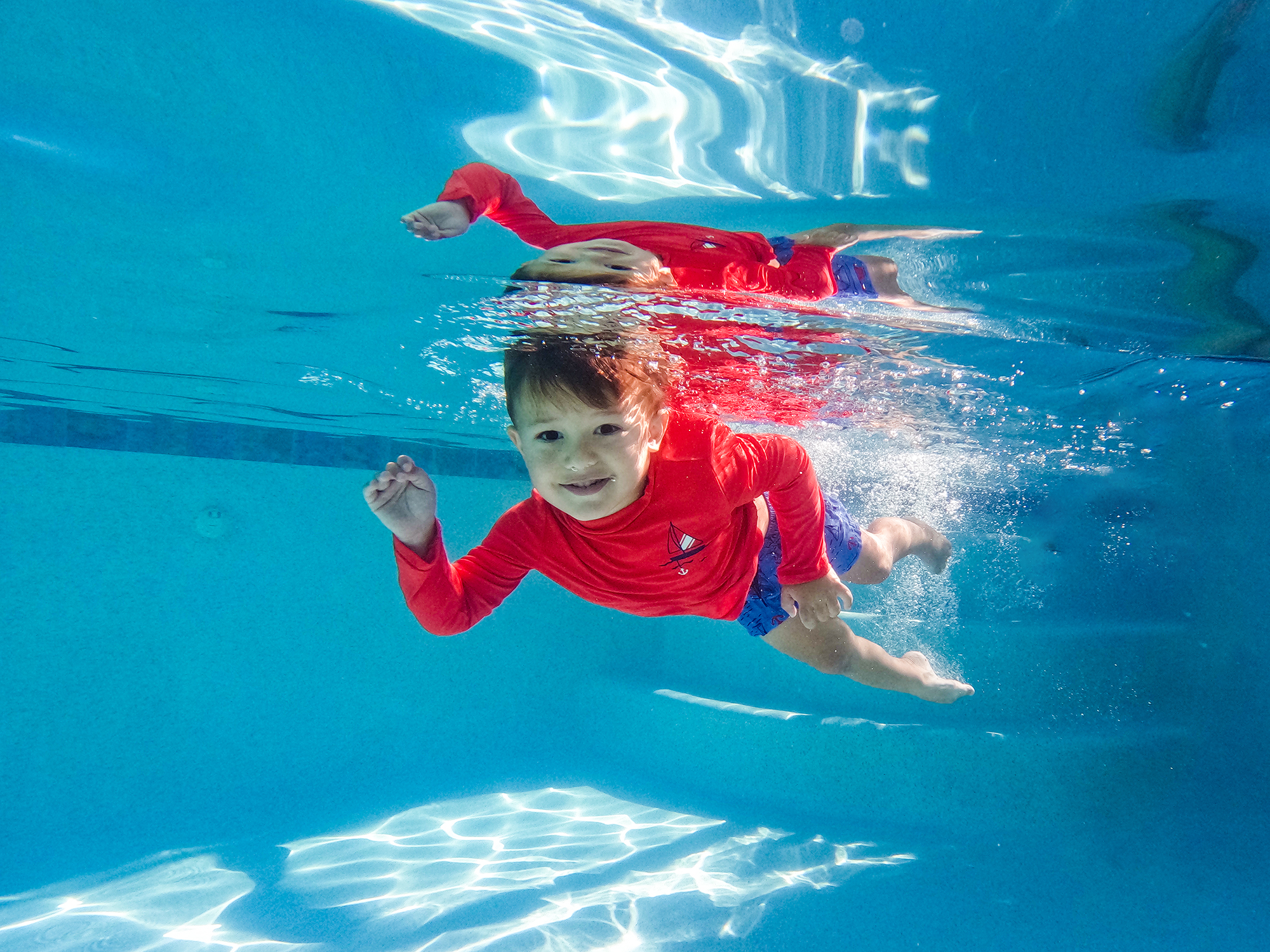
New Student ISR Self-Rescue

The initial session for all students new to ISR. Children less than 1 year old who are not walking will learn how to rollback and float. Children older than 1 year-6 years old who are walking will learn to swim-float-swim.

Refresher lessons

Refresher lessons are for students who have completed the initial skill set of swim-float-swim after being out of lessons for an extended period of time. Refresher lessons are recommended by ISR every 6 months - 1 year to refresh and adapt skills in the child's growing body.

Maintenance Lessons

Maintenance lessons are for students who have recently completed the swim-float-swim skills session. Lessons are scheduled 1-2 lessons per week up to once per month with the goal of maintaining competence and confidence with skills recently mastered.

FAQs
I hear you say your priority is survival skills. Will my child learn to actually swim?
Yes. At ISR, we believe that part of survival for a child who can walk is swimming. Children learn the swim-float-swim sequence so that they could get themselves to safety. The difference in our program is that they will learn swimming AND survival skills and how to be an aquatic problem solver.
Can you really teach a child who is not verbal how to swim?
Yes. Consider that children learn to sit, crawl and walk before they learn to speak. Because we teach through sensori-motor learning, verbal skills are not required for a child to acquire Self-Rescue skills. We are able to communicate with our students through touch and positive reinforcement while striving to set our students up for success every step of the way.
What is the American Academy of Pediatrics position on swimming lessons for young children?
The AAP encourages parents to consider that starting water-survival skills training at an early age must be individualized, based on the child's frequency of exposure to water, emotional maturity, physical limitations and health concerns related to swimming pools. You can view their policies and suggestions through the AAP website here: https://www.healthychildren.org/English/safety-prevention/at- play/Pages/Swim-Lessons.aspx
Why don’t parents participate in the water during the lessons?
We do not want the baby to initially associate the water with the love, attention, and affection of the parent while in the water. Also, it takes incredible concentration and objectivity to teach the baby how to respond to an aquatic emergency and our experience shows that parents often find it too difficult to be objective to be effective teachers with their own children in the water. We gladly invite parents to join us in the pool once their child has independent skills to practice at home.

Learn More

How do ISR Lessons Work?